

This article is about how I used the latest AI, coupled with medical Shadow libraries to empower my own knowledge on medical subjects.
A glossary of terms will be at the footer of the post for reference.
“Trust The Science” a Covid era Shibboleth. It meant don’t question, don’t investigate, don’t analyze - Trust.
“Trust”
Trust is - a black box process where you delegate responsibility to.
One fundamental belief that I hold is that you are responsible for yourself. Not the government, not your employer - you. This includes your health.
I believe there is information out there. Some of it is hidden from us and some of it is fed to us.
I believe we’ve all at some point in our lives, we’ve delegated decisions to external parties based off the information fed to us. This is completely understandable, rational and not your fault. If a child had been brought up being told the Tooth Fairy existed from birth and one day they popped a tooth under their pillow - it would be rational and understandable. It is not the child’s fault. They took action based on the information they were fed.
“Trust The Science” is a terrible mantra because it encourages immediate delegation. Without going as far as locating the information. To which that information may be gate kept, hidden or inaccessible.
Knowledge should never be hidden from people or Gatekept.
Medical Decisions
I have a series of medical decisions to make for me and my family. I am not prepared to delegate these decisions out to someone else. They are my responsibility.
The trick is - how do I make meaningful decisions given how both deep and wide the topic of health care is. Not to mention the cryptic language involved and statistics and physics requirements to understand things at a low level.
Given that everyone has busy lives, how do we absorb and make logical decisions?
Information
First of all is information. The information that doctors have access to isn’t something you have access to. Information shouldn’t be Gatekept. I can see an argument against people buying any drug over the counter as it may harm them without the knowing the full picture - side effects, long term use, dependency, interaction with other medication.
However blocking both information and the ability to get a drug. Information is empowering, action can be risky.
On my quest to read the same information that doctors have access to I found out - you can’t just readily get this information without paying a chunk of money. Which one could argue is immoral.
Shadow Libraries
Since then I found out about Shadow Libraries.
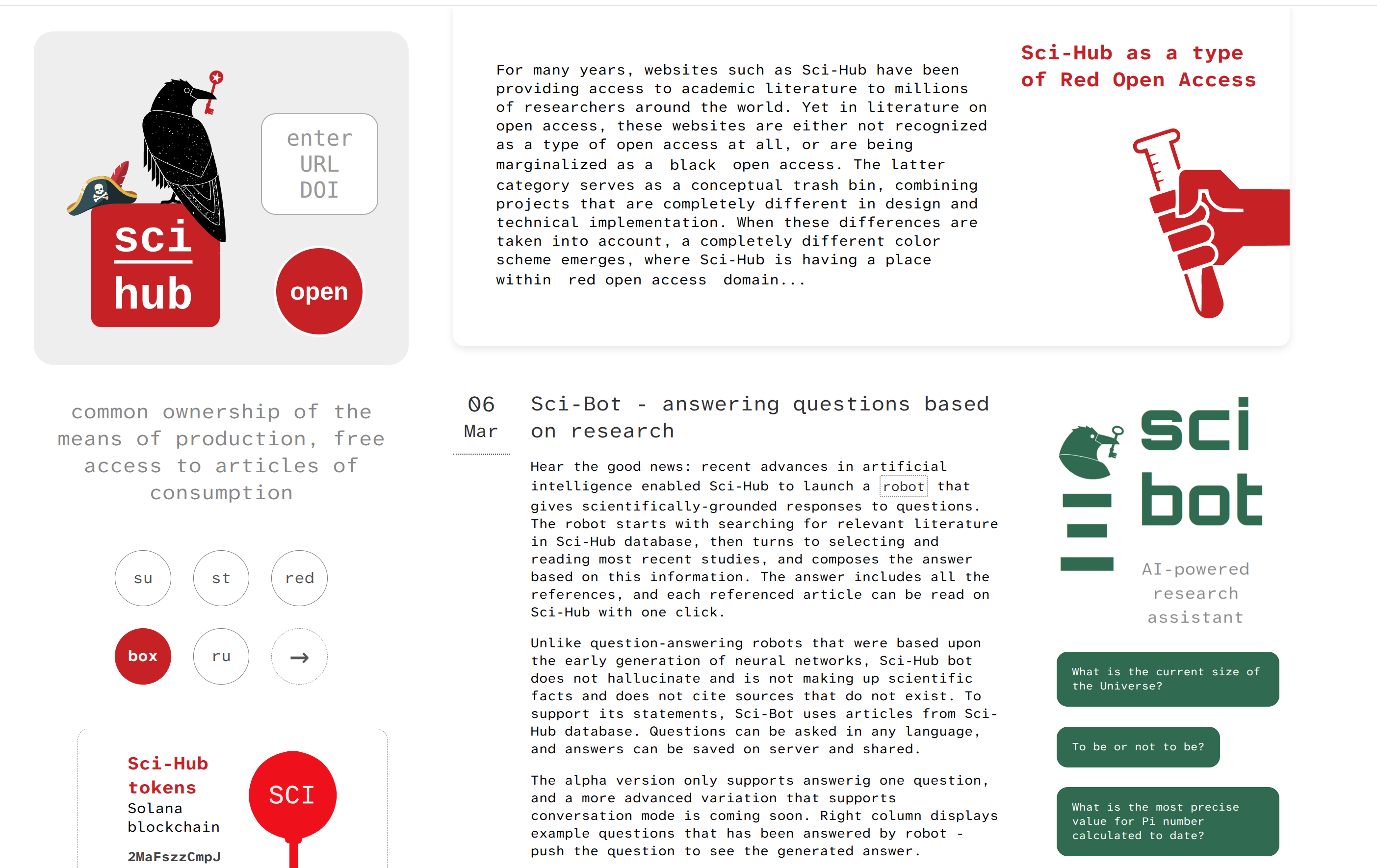
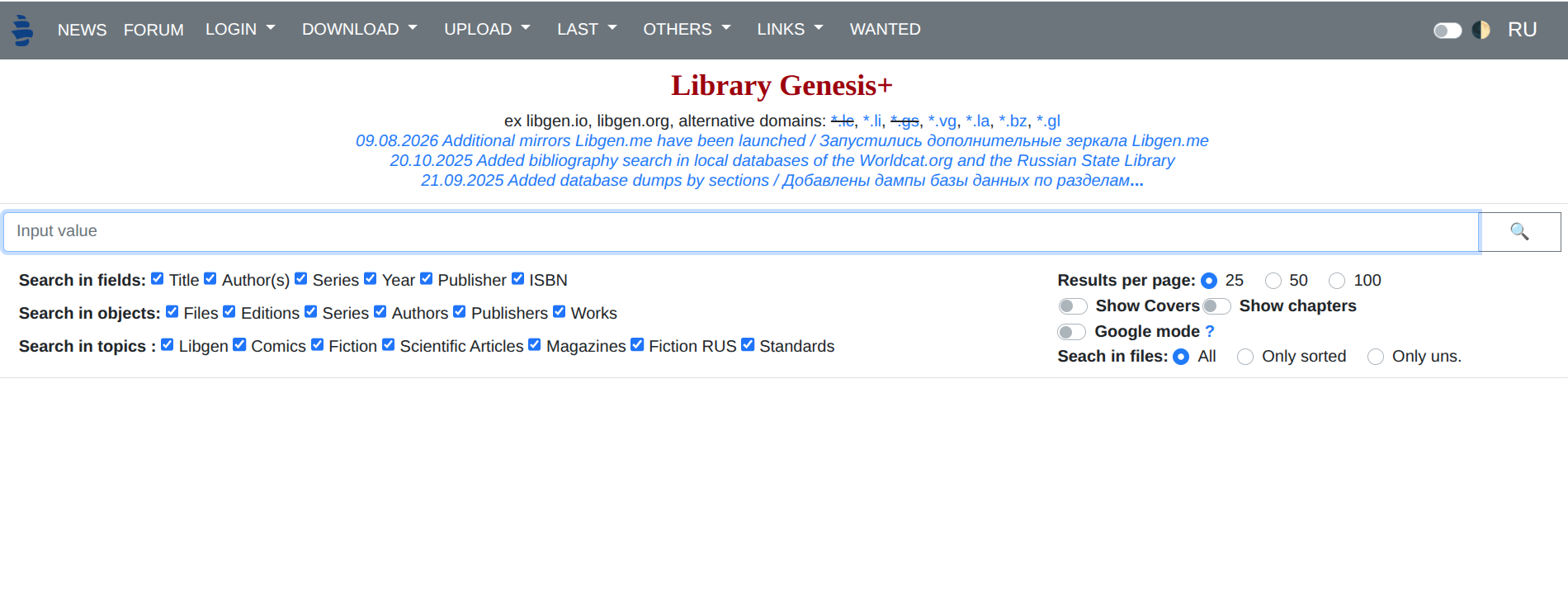
Shadow Libraries are free public access to millions of copyrighted academic papers, books, and research materials by bypassing publisher paywalls.
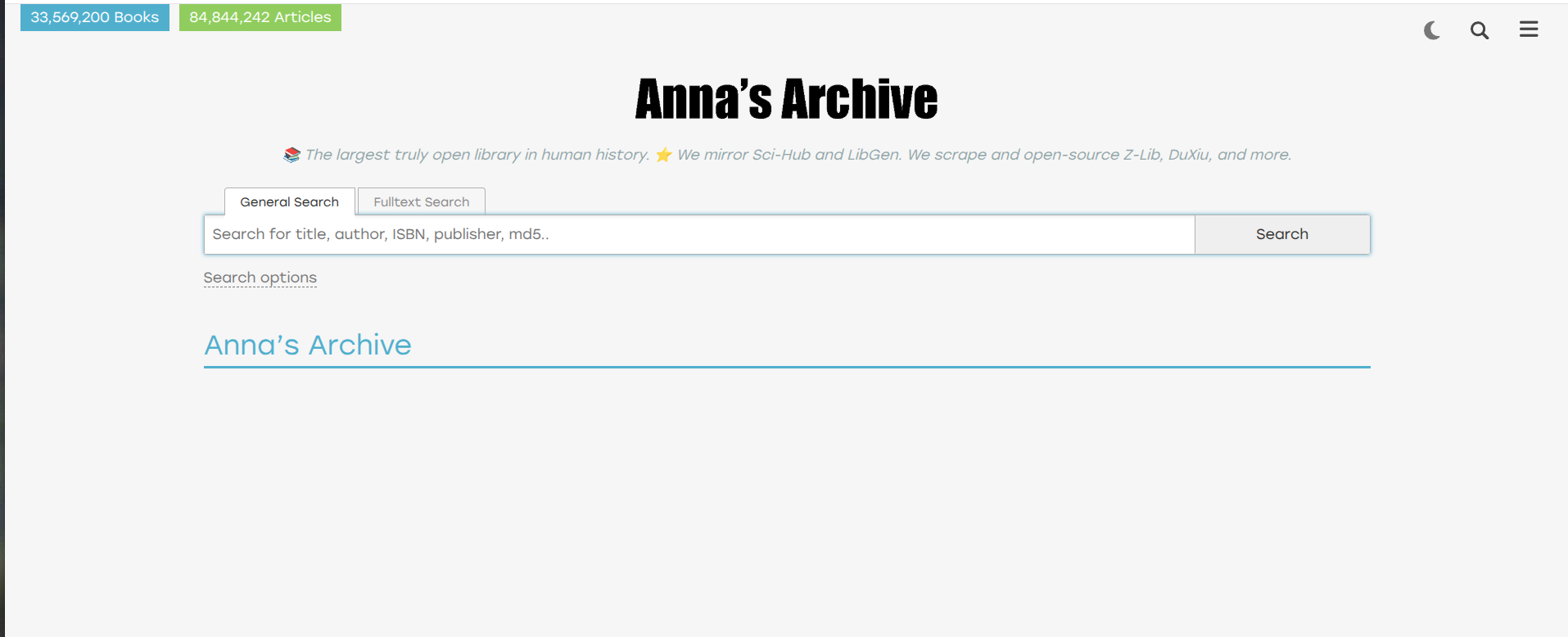
I’ve looked at each of the sites below and sci-hub is by far the best. They also have a research bot that is quite impressive that is a trained AI model (scibot) that has access to all of the research literature and will run a query on the fly for you.
AI
Now the task of researching, downloading, organizing, making notes, tagging is overwhelming as a human - but we delegate that to AI don’t we.
Claude in 2026 is the best AI in the business
Claude acts as:
Project documentation builder
Research assistant - sending off agents to grab articles
Analyist to organize found information
When I need to really use heavy AI for a month - I upgrade Claude to Pro to get the things done in a short period of time.
Claude is trained on the same information as doctors so it has a baseline of knowledge and reasoning. Then you layer in the research papers on top to get an up to date understanding of modern day options.
Claude works best when you use different models for different tasks. Ai can spawn off AI delegating tasks. This is called “subagent”. Think of it like a company where the CEO delegates to Management and they delegate to the workers.
Fable - You want to use this on high thinking when analyzing papers
Opus - You want to use this on medium when planning your project, researching what papers to gather, tagging papers
Sonnet - You want to use this on medium when doing labor, such as getting the papers, organizing papers
Approach
I start off by stating my intent to Claude of what I’m trying to do with a project. With healthcare you want to make it objective and include both reasons for and against so you have a balanced picture - not just what you want to believe.
Ask Claude to create a plan for the project with .md (Mark Down - which is symbolic characters to illustrate presentation). This works as a simple file to store logical content as well as having rudimentary styling (Titles, Quotes, Lists and so on).
Mark Down is very cheap in token costs for AI to organize and build your knowledge base as it grows.
You will state the goal of the project and this will be your master document that all other documents will branch from.
Course
I then asked Claude to create me a course Artifact that I could sit in say 10x30 minute sessions to give me the underpinnings of the topic area that I was interested in.
I used Fable to create the course content on high thinking.
The course that it produced was excellent and really covered all aspects from low level to high level.
I asked Claude to link it from our Plan so we don’t lose track of it.
Public/Free Research
After building and taking the course I knew a fair bit about the topic area that I wanted to understand. At least giving me the same lingo to understand key words in the research.
I Claude then to send off Opus Subagents to investigate and pull as many papers as it could find from public/free sources. I asked it to put it in a papers folder in my project. After whirring it came back with a measly 3 pdfs.
I think PDFs are the preferred form for research - they can include pictures, nice charts and formatting.
I realized at this point that papers roughly follow the same shape.
Abstract (typically free to read and see what the gist of the paper is about). Who made it and when, the body of the content then finally a list of references.
The list of references are what Claude’s subagents hook off to spider out and build a web of knowledge.
Remaining Papers
Realizing that it was aware of a dozen other better papers but couldn’t get them - I set about finding them.
At this point i knew of papers out there that would help me but they were on my computer in a hard to read blob of text.
I then ask Claude to use Python to create an Artifact Processor that converts the mark down into an HTML Artifact based off a hook.
Claude will know what you are talking about if you use these prompts.
This means Claude sub agents will update the Markdown with their findings, the hook will trigger Claude to go and make it pretty using its HTML templating and turning it into a page you can see with your browser.
I worked with it by chatting with it to build an Artifact page (something you can see in your browser) for the papers we will be gathering. I wanted row based, ordered by what Claude thought was the most important.
Sci-Hub’s search bar looks strange compared to things we have seen before. I get my Claude to index the papers that we most want to investigate. On the right hand side it builds links to its Unique Identifier including DOI. I paste this manually into Sci-Hub and download.
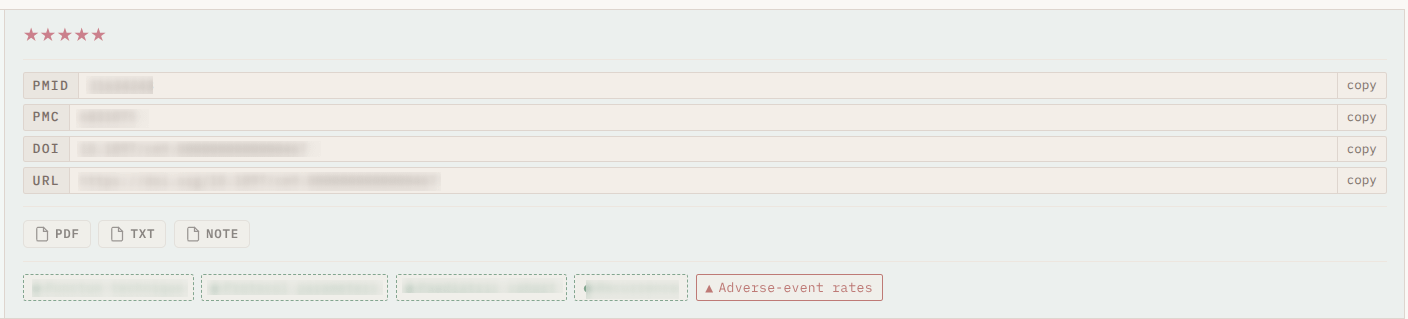
So one could click on the DOI link paste it into sci-hub and manually download the paper.
There aren’t hundreds of papers you will want maybe 20 max, so it isn’t a slow process.
Notes
Now I won’t delegate understanding to AI, but I will get its input.
I ask Fable to read all papers and give me its take based off what our goal is.
I also go through each paper taking notes into an .md for each paper. I copy paste what I consider to be the most salient things into the md. You can ask Claude to create a skill like paper-notes for example. Where you pate your notes to claude and it writes them to disk for you then when you are done, it analyzes the paper and saves tags against the paper (You can see them at the bottom of the screenshot above). When complete the skill strikes through my row to show me that I’ve analyzed it.
Statistics & Probability
Having the breadth of papers, you can build up a good intuitive understanding of variables and how meaningful they are with Chi Squared for example.
I personally have found this very, very helpful and have a large range of topics to dig into.
The Utility of the Physician
Clearly, driving your own treatment without the inclusion of a physician would be a mistake. However I believe knowledge does empower you and helps you make decisions from a better footing.
I’ve heard a lot from people around me, quite often you may be battling something and the doctor in front of you isn’t “getting it” or they have picked the wrong path for whatever reason. Having knowledge can keep the wind in your sales to keep pushing for the right outcome. That might be with the same doctor or the strength to try a different doctor.